
When Did Vapes Become Popular? A Complete Timeline of the Rise of Vaping
At Sikary, we've watched the vaping industry evolve from a niche smoking alternative into a global category embraced by millions of adult smokers. If you've ever wondered "when did vapes become popular?", the answer isn't tied to a single year. Instead, vaping gained momentum through several key innovations, changing consumer preferences, and evolving regulations.
This guide explores how vaping grew into one of the most influential nicotine alternatives worldwide.
A Brief History of Vaping
1963: The First Electronic Cigarette Concept
American inventor Herbert A. Gilbert patented a "smokeless non-tobacco cigarette" in 1963. Although innovative, the product never reached commercial production due to limited technology and consumer demand.
2003: The Modern Vape Was Invented
Chinese pharmacist Hon Lik developed the first commercially viable electronic cigarette after losing his father to smoking-related illness.
His invention used:
- Battery-powered heating
- Liquid nicotine
- Vapor instead of smoke
This design became the blueprint for modern vaping devices.
2004–2007: The First Commercial Launches
The earliest e-cigarettes entered the Chinese market before expanding into Europe and the United States.
These first-generation "cigalikes" resembled traditional cigarettes and offered:
- Small batteries
- Limited vapor
- Disposable cartridges
Although primitive by today's standards, they introduced millions to smoke-free nicotine delivery.
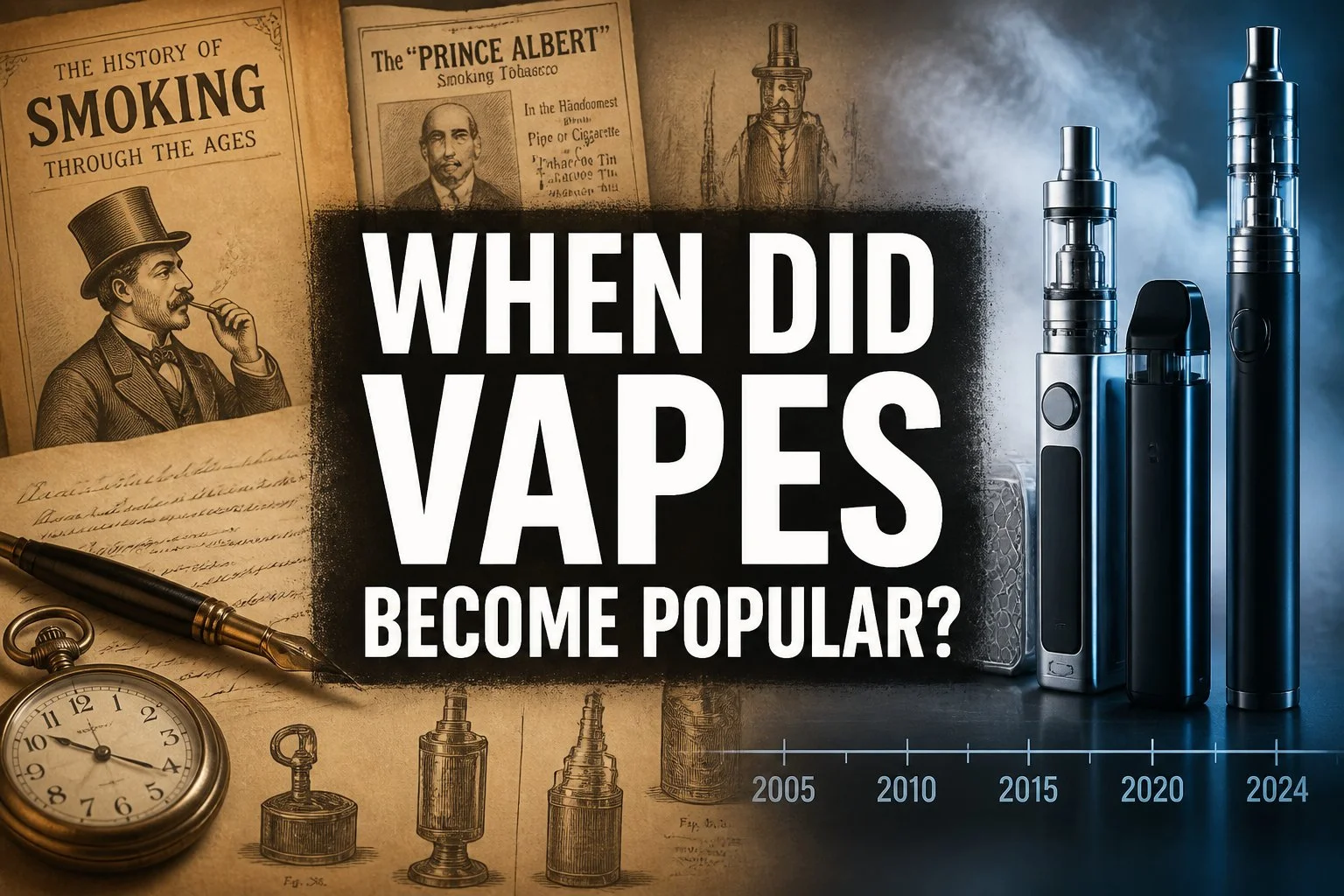
When Did Vaping Become Mainstream?
2013–2015: The Vape Shop Boom
This period marked the first major expansion of vaping.
Several trends drove adoption:
- Dedicated vape stores opened worldwide.
- Larger refillable tanks improved performance.
- Variable wattage devices enhanced customization.
- More e-liquid flavors became available.
Many adult smokers began switching from combustible cigarettes.
2015–2017: Advanced Mods Changed the Industry
Technology improved dramatically.
Consumers enjoyed:
- Longer battery life
- Temperature control
- Sub-ohm tanks
- Greater vapor production
The vaping community also expanded through YouTube reviews, forums, and social media.
Cloud chasing became especially popular during these years.
2017–2019: Nicotine Salts Changed Everything
Many industry experts consider this the period when vaping truly became mainstream.
Nicotine salt e-liquids offered:
- Faster nicotine satisfaction
- Smoother throat hits
- Higher nicotine strengths
- Smaller devices
These innovations made switching from cigarettes easier for many adult smokers.
Pod systems quickly became one of the fastest-growing product categories worldwide.
Why Did Vapes Become So Popular?
Several factors contributed to vaping's rapid rise.
1. Better Alternative to Smoking
Many adult smokers looked for products that avoided combustion while still delivering nicotine.
Since vaping heats e-liquid instead of burning tobacco, users avoid inhaling many combustion-related chemicals found in cigarette smoke.
2. Improved Flavor Variety
Unlike cigarettes, vaping introduced hundreds of flavor options.
Popular categories include:
- Fruit
- Mint
- Beverage
- Dessert
- Tobacco
Flavor diversity became one of the industry's strongest selling points.
3. Continuous Product Innovation
Every few years, manufacturers introduced major improvements.
Examples include:
- Mesh coils
- Nicotine salts
- Pod systems
- Adjustable airflow
- Rechargeable disposable devices
- Smart display screens
Innovation kept consumers engaged while improving overall performance.
4. More Affordable Than Smoking in Some Regions
Although costs vary by country, many long-term users found refillable vaping systems more economical than purchasing cigarettes daily.
5. Social Media and Online Communities
YouTube reviewers, Reddit discussions, Facebook groups, and vape forums accelerated public awareness.
Consumers could easily:
- Learn about new devices
- Compare products
- Read reviews
- Share experiences
How Disposable Vapes Increased Popularity
Disposable vapes dramatically expanded vaping's appeal beginning around 2020.
Reasons include:
- No maintenance
- Pre-filled e-liquid
- Rechargeable batteries
- Compact designs
- Beginner-friendly operation
High-puff disposable models later attracted even more adult users seeking convenience.
Is Vaping Still Growing?
Yes—but growth now varies by region.
Current industry trends include:
- Refillable pod systems replacing disposable products in some markets
- Stricter regulations worldwide
- Increased product quality standards
- Greater emphasis on sustainability
- Smart vaping devices with display screens
- Expanded nicotine-free options
While some countries have restricted disposable vapes, vaping remains a significant global industry serving millions of adult consumers.
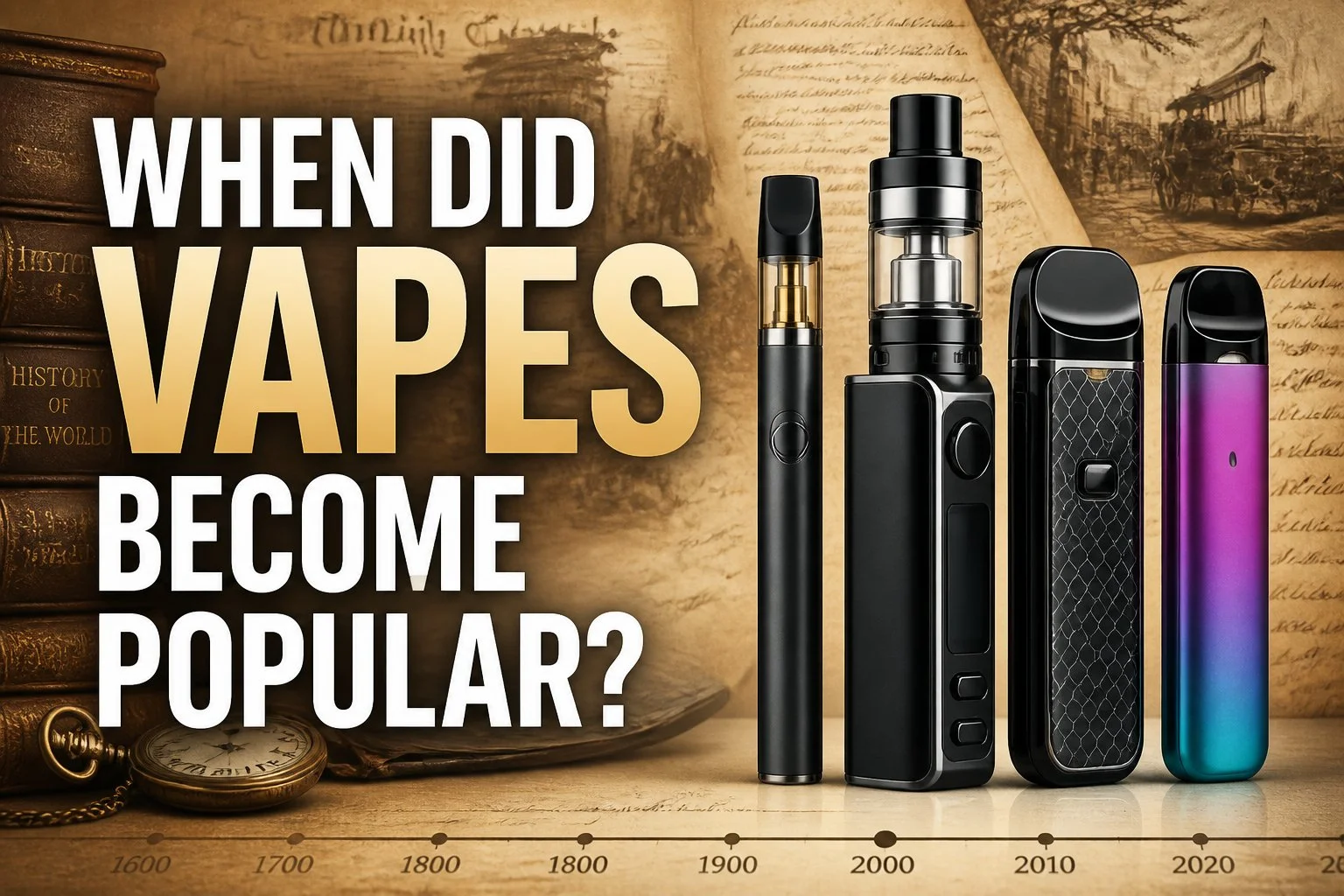
Choosing the Right Vape Today
With vaping technology evolving rapidly, adult users now have more options than ever.
When selecting a device, consider:
- Your nicotine preference
- Battery life requirements
- Ease of use
- Refillable vs. prefilled systems
- Local vaping regulations
- Product quality and manufacturer reputation
Reliable brands also prioritize quality control, leak resistance, consistent flavor delivery, and compliance with regional regulations.
Conclusion
Vaping didn't become popular overnight. While the modern electronic cigarette was invented in 2003, widespread popularity emerged between 2017 and 2019 through major technological breakthroughs such as nicotine salt e-liquids and pod systems. Since then, disposable vapes, rechargeable devices, and ongoing innovation have continued to shape the market. At Sikary, we believe understanding this evolution helps adult smokers make more informed choices about today's vaping products and where the industry is headed.
FAQs
1. When did vaping first become popular?
Vaping began gaining significant public attention around 2013, but it reached mainstream popularity between 2017 and 2019 with the introduction of nicotine salt pod systems and improved vaping technology.
2. Why did nicotine salt vapes become so popular?
Nicotine salts provide a smoother throat hit at higher nicotine strengths and deliver nicotine more efficiently than traditional freebase e-liquids, making them appealing to many adult smokers transitioning from cigarettes.
3. When did disposable vapes become popular?
Disposable vapes became widely popular around 2020, thanks to their convenience, maintenance-free design, and later innovations that increased battery life and puff capacity.
4. What caused the rapid growth of the vaping industry?
Several factors contributed to the industry's growth, including continuous product innovation, diverse flavor options, improved battery technology, social media exposure, and increasing interest in smoke-free nicotine alternatives among adult smokers.
5. Is vaping still becoming more popular today?
The market continues to evolve, but growth differs by region due to changing regulations, consumer preferences, and the shift toward refillable pod systems and more sustainable vaping products.