
Can Vapes Cause Canker Sores? Causes, Symptoms, and Prevention Tips
At Sikary, we believe understanding the potential effects of vaping is just as important as choosing the right device. If you've noticed canker sores after vaping, you're not alone. While vaping isn't considered a direct cause of mouth ulcers, factors such as dry mouth, nicotine, and certain e-liquid ingredients may contribute to oral irritation. This guide explores the connection and offers practical tips to help protect your oral health.
What Are Canker Sores?
Canker sores are shallow ulcers that form inside the mouth. Unlike cold sores, they are not contagious and are not caused by viruses.
Common symptoms include:
- Round or oval white ulcers
- Red, inflamed borders
- Burning or tingling sensation before appearance
- Pain when eating spicy, acidic, or salty foods
- Difficulty speaking or swallowing in severe cases
Typical triggers include:
- Stress
- Mouth injuries
- Vitamin deficiencies
- Hormonal changes
- Food sensitivities
- Immune system reactions
Vaping may act as an additional trigger for susceptible individuals.
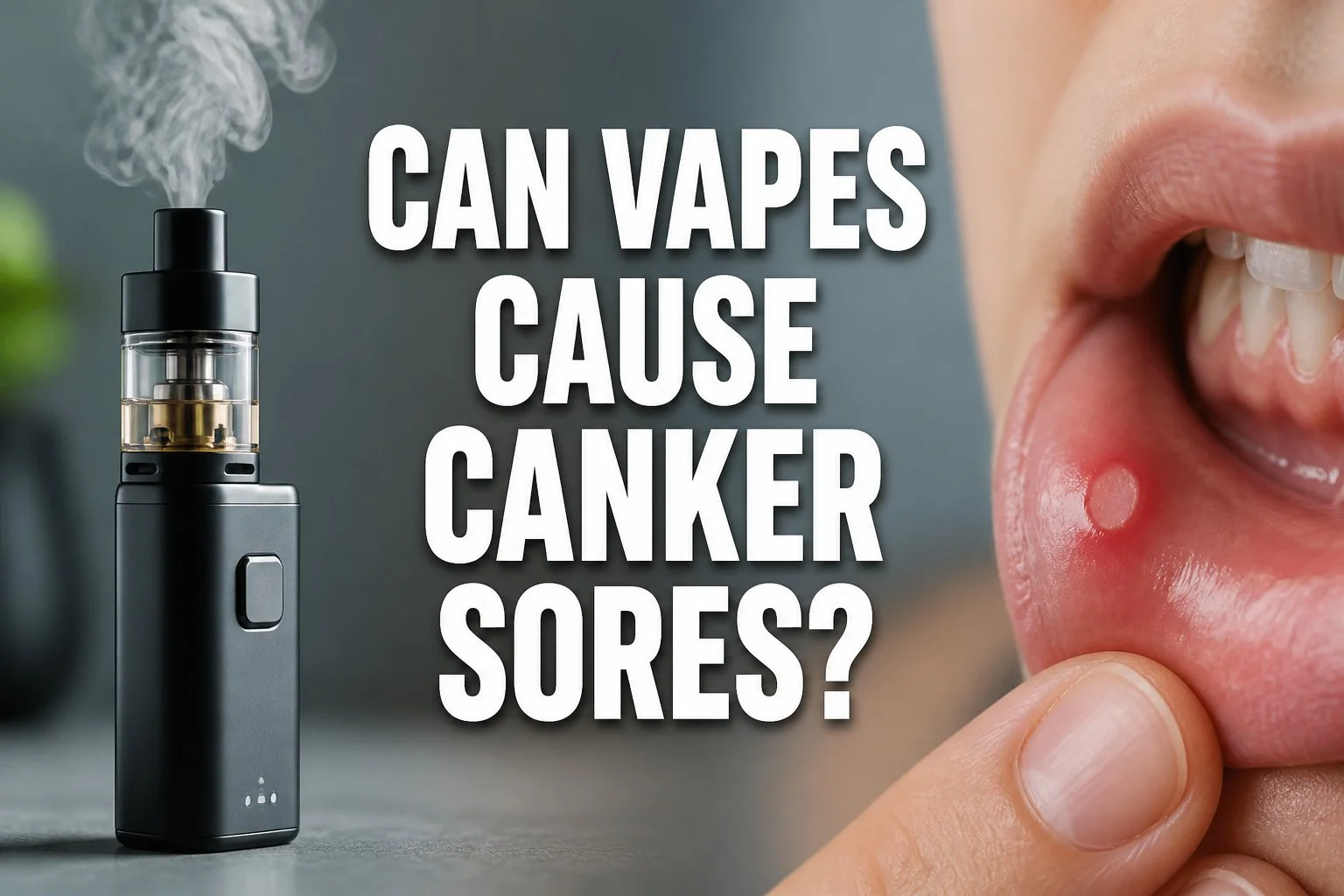
Can Vaping Cause Canker Sores?
Current evidence suggests vaping does not directly create canker sores in every user. However, several well-understood mechanisms can make oral tissues more vulnerable to ulcer formation.
Many users report developing mouth sores after frequent vaping, especially when using high-nicotine disposable vapes or heavily flavored e-liquids. Community discussions often identify dry mouth as a major contributing factor.
Why Can Vaping Lead to Canker Sores?
1. Vaping Causes Dry Mouth
One of the most common side effects of vaping is dry mouth.
Most e-liquids contain:
- Propylene Glycol (PG)
- Vegetable Glycerin (VG)
PG is hygroscopic, meaning it absorbs moisture. Frequent vaping can reduce saliva production and leave oral tissues dry and irritated. Saliva plays an important role in:
- Protecting oral tissues
- Controlling bacteria
- Supporting wound healing
Without enough saliva, the mouth becomes more vulnerable to ulcers and irritation.
2. Nicotine Can Irritate Oral Tissue
Nicotine is a known oral irritant.
High-strength nicotine products may:
- Increase inflammation
- Reduce blood flow to mouth tissues
- Slow healing of small injuries
- Make existing ulcers more painful
Many disposable vapes contain nicotine salt formulations with higher nicotine concentrations, which may further aggravate sensitive oral tissues.
3. Flavorings May Trigger Sensitivity Reactions
Certain vape flavorings may irritate the oral mucosa.
Potential culprits include:
- Cinnamon flavors
- Citrus flavors
- Menthol
- Artificial sweeteners
Individuals with allergies or sensitivities may experience inflammation that resembles or contributes to canker sore formation.
4. Heat Exposure and Vape Burns
Overheating coils or chain vaping can expose the mouth to excessive heat.
Possible consequences include:
- Minor burns
- Tissue damage
- Inflammation
- Increased ulcer risk
Some mouth sores reported by vapers may actually be thermal injuries rather than traditional canker sores.
5. Poor Oral Hygiene and Device Contamination
Vape mouthpieces come into frequent contact with the lips and mouth.
If devices are not cleaned regularly, bacteria and residue can accumulate, potentially contributing to oral irritation and delayed healing. Some experienced vapers have reported fewer oral issues after improving device hygiene.
Sometimes.
Signs of a possible allergy or sensitivity include:
- Persistent sores
- Swollen lips
- Tongue irritation
- Burning sensations
- Red patches
If symptoms appear after switching flavors or brands, an ingredient sensitivity may be involved.
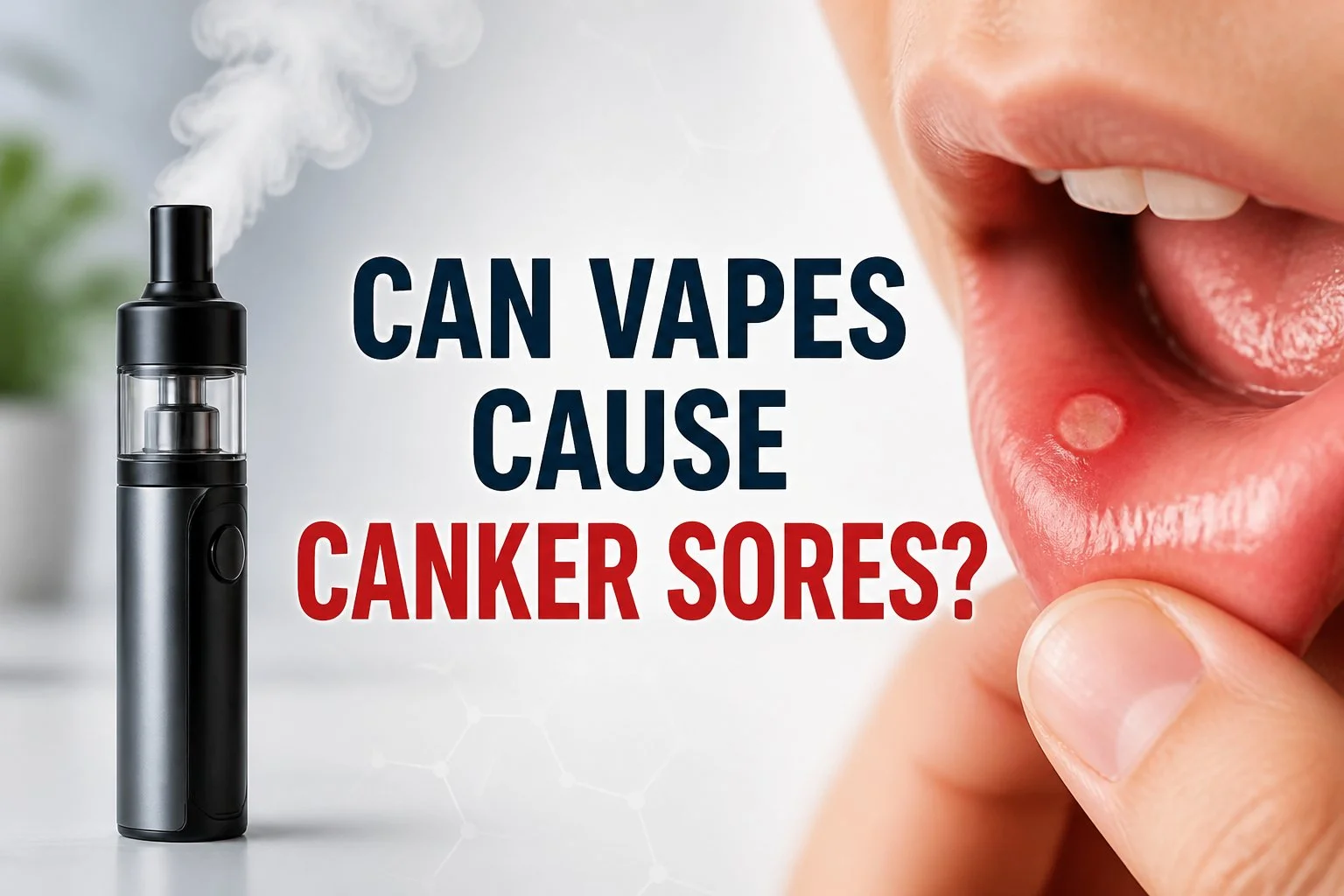
How to Prevent Canker Sores While Vaping
If you vape regularly, these strategies may help reduce the risk:
1. Stay Hydrated
Drink water throughout the day to combat vape-related dry mouth.
2. Choose Lower-PG E-Liquids
Higher VG formulations may be less drying for some users.
3. Reduce Nicotine Strength
Lower nicotine concentrations may decrease irritation.
4. Avoid Problematic Flavors
If certain flavors trigger symptoms, switch to simpler formulations.
5. Maintain Good Oral Hygiene
- Brush twice daily
- Floss regularly
- Use alcohol-free mouthwash
- Clean vape mouthpieces frequently
6. Avoid Chain Vaping
Allow oral tissues time to recover between vaping sessions.
How Long Do Vape-Related Canker Sores Last?
Most canker sores heal within:
7–14 days
Seek professional medical or dental advice if:
- Ulcers last longer than three weeks
- Pain becomes severe
- Sores frequently recur
- Difficulty eating or swallowing develops
- You notice unusual white or red patches
Persistent oral lesions should always be evaluated by a healthcare professional.
Conclusion
While vaping is not considered a direct cause of every mouth ulcer, factors such as dry mouth, nicotine exposure, flavoring irritation, and heat damage can increase the likelihood of oral discomfort and sores.
If you experience recurring canker sores after vaping, consider adjusting your nicotine strength, changing e-liquid formulations, improving hydration, and maintaining proper oral hygiene. Persistent or severe symptoms should be evaluated by a dentist or healthcare provider.
FAQ
1. Can vaping directly cause canker sores?
Vaping is not proven to directly cause canker sores, but it can create conditions such as dry mouth and oral irritation that increase the likelihood of ulcer formation.
2. Why does my mouth hurt after vaping?
Common reasons include dehydration, nicotine irritation, flavor sensitivity, or heat-related tissue damage from the vapor.
3. Can nicotine salts cause mouth ulcers?
High-strength nicotine salt products may irritate oral tissues and slow healing, potentially increasing discomfort and ulcer risk in sensitive users.
4. Should I stop vaping if I have canker sores?
Reducing or temporarily stopping vaping may help oral tissues heal faster by removing potential sources of irritation.
5. When should I see a dentist about a mouth ulcer?
Consult a dentist if a sore lasts longer than three weeks, repeatedly returns, becomes unusually large, or causes significant pain.